
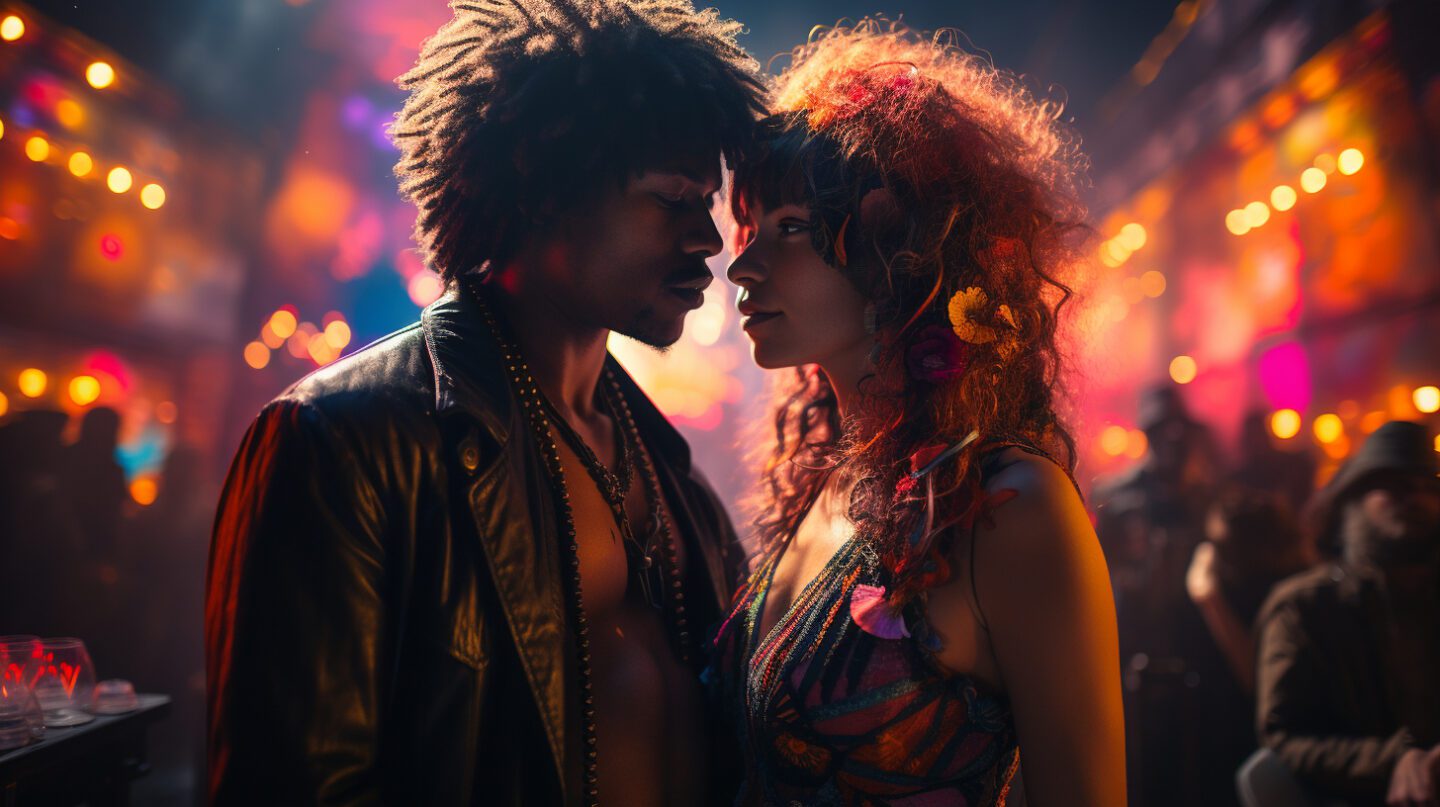
The 1960s was a decade of immense social and cultural change, marked by the rise of the counterculture movement. This movement, which emerged primarily in the United States, was characterized by a rejection of mainstream values and a desire for personal freedom and self-expression. One of the key factors that shaped the counterculture movement was the use of psychedelics, such as LSD and psilocybin mushrooms. These substances played a significant role in shaping the beliefs, values, and actions of counterculture members, and their impact can still be felt today.
The Rise of Psychedelics
The use of psychedelics in the counterculture movement can be traced back to the early 1960s when these substances began to gain popularity among intellectuals, artists, and musicians. One of the most influential figures in popularizing psychedelics was Timothy Leary, a Harvard psychologist who conducted research on the effects of LSD. Leary believed that psychedelics had the potential to expand consciousness and promote spiritual growth, and he encouraged others to explore their inner selves through the use of these substances.
As the use of psychedelics spread, so did their association with the counterculture movement. Many counterculture members saw psychedelics as a tool for breaking free from societal constraints and exploring alternative ways of thinking and living. These substances were often used in communal settings, such as music festivals and gatherings, where individuals could come together to share their experiences and connect on a deeper level.
The Influence of Psychedelics on Beliefs and Values
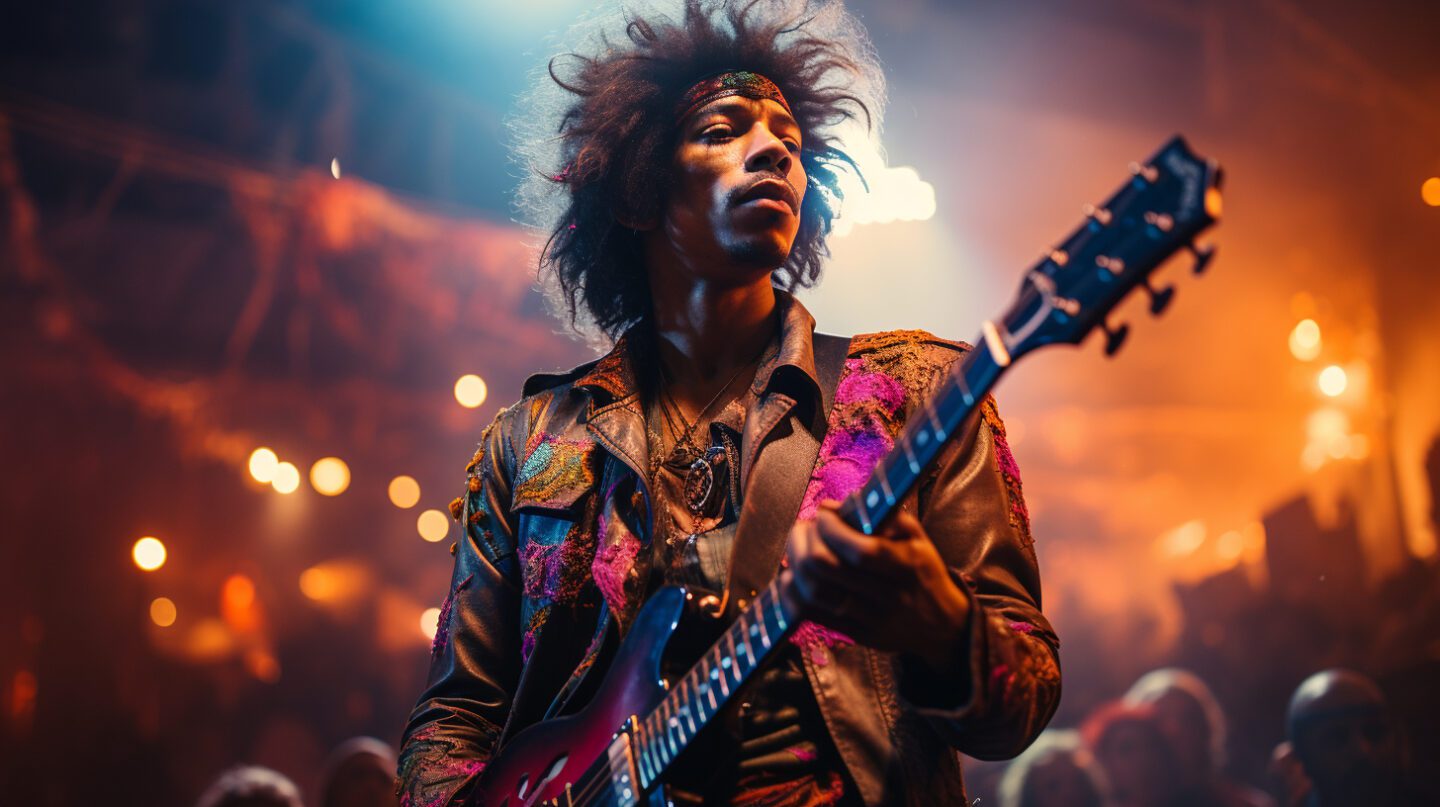
The use of psychedelics had a profound impact on the beliefs and values of counterculture members. These substances were often associated with spiritual experiences and a sense of interconnectedness with the universe. Many individuals reported having mystical or transcendent experiences while under the influence of psychedelics, which led them to question the nature of reality and their place in the world.
Psychedelics also played a role in shaping counterculture members’ political beliefs. The anti-war movement, which was a central aspect of the counterculture movement, was fueled in part by the use of psychedelics. Many individuals believed that these substances could help promote peace and understanding, and they saw the Vietnam War as a symbol of the oppressive and destructive nature of mainstream society.
Furthermore, psychedelics were often associated with a rejection of materialism and consumer culture. Counterculture members sought to live simpler, more authentic lives, free from the pressures of conforming to societal norms. They believed that psychedelics could help them achieve a higher level of consciousness and break free from the materialistic trappings of mainstream society.
Case Studies: The Beatles and Ken Kesey

Two prominent examples of individuals who were influenced by psychedelics during the counterculture movement are The Beatles and Ken Kesey.
The Beatles, one of the most influential bands of the 1960s, were introduced to LSD in 1965 and began incorporating psychedelic themes into their music. Their album “Sgt. Pepper’s Lonely Hearts Club Band,” released in 1967, is often regarded as one of the first psychedelic rock albums. The Beatles’ use of psychedelics not only influenced their music but also their worldview. They became advocates for peace and spiritual enlightenment, and their music reflected these beliefs.
Ken Kesey, an American author best known for his novel “One Flew Over the Cuckoo’s Nest,” was another key figure in the counterculture movement. Kesey and his group of followers, known as the Merry Pranksters, traveled across the United States in a psychedelic-painted bus, spreading the message of peace, love, and freedom. Kesey’s experiences with psychedelics, particularly LSD, shaped his writing and his belief in the power of individual freedom and self-expression.
The Legacy of Psychedelics
The influence of psychedelics on the counterculture movement can still be seen today. While the use of these substances declined in the 1970s due to legal restrictions and concerns about their safety, there has been a resurgence of interest in recent years. Research into the therapeutic potential of psychedelics, particularly in the treatment of mental health disorders such as depression and PTSD, has shown promising results.
Furthermore, the counterculture movement’s emphasis on personal freedom and self-expression continues to resonate with many individuals today. The ideas and values that emerged during this time, including a rejection of materialism, a focus on spirituality, and a desire for social change, have had a lasting impact on society.
Conclusion
The counterculture movement of the 1960s was a transformative period in history, and psychedelics played a significant role in shaping its beliefs, values, and actions. The use of psychedelics allowed counterculture members to explore alternative ways of thinking and living, and their influence can still be felt today. Whether through the music of The Beatles or the writings of Ken Kesey, psychedelics left an indelible mark on the counterculture movement and continue to inspire individuals to question the status quo and seek personal freedom and self-expression.
I have friends who work in set design/props in Hollywood who have told me they want to use some of your stuff in some upcoming movies and I can’t wait to see it because your bean bags and bedroom and bathroom stuff looks so cool and I’m sure I’ll easily recognize it when I see it in a show.
That’s really exciting to hear that pieces inspired by the counterculture movement may be making their way into upcoming movies! It’s always fascinating to see how historical movements and styles influence modern media and storytelling. The visual aesthetics and symbolism of that era can definitely add depth and authenticity to on-screen environments. It will be interesting to see how these elements are incorporated and how they enhance the overall viewing experience.
That’s amazing to hear that your friends in set design/props in Hollywood are interested in using some of my designs in upcoming movies. It’s great to see how the counterculture movement and the aesthetics associated with it continue to resonate and inspire in various creative industries. It will be exciting to spot those familiar bean bags and bedroom and bathroom decor in a show!
The open toe sandals in your collection are gorgeous.
Thank you for your comment, Judith4920. It’s interesting how fashion choices can also be influenced by cultural movements like the counterculture of the 1960s. The open toe sandals from that era definitely had a unique and appealing aesthetic that reflected the free-spirited nature of the time. It’s fascinating to see how different elements of society, including fashion, can be connected to historical movements.
I love your art! I wish you had a art gallery I could come walk around and see it all.
Thank you so much for your kind words! I truly appreciate your support for my art. While I don’t have a physical art gallery at the moment, I’m always grateful for the opportunity to share my work online and connect with fellow art enthusiasts like yourself. Your encouragement means a lot to me.